
 by
by 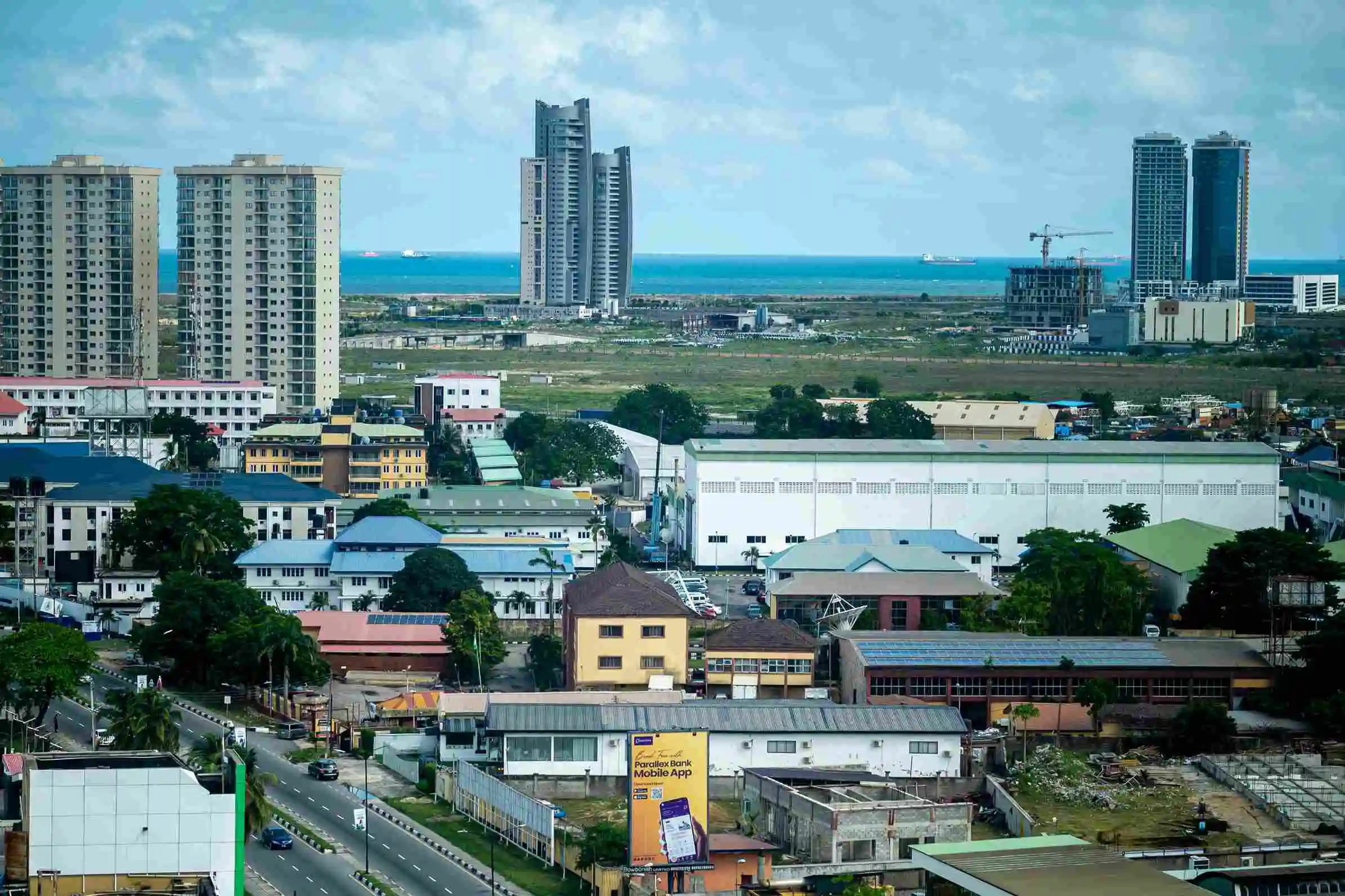
The Nigerian real estate market continues to grow rapidly in 2026, driven by population growth, urban expansion, and rising demand for housing. From luxury apartments in Lagos to affordable estates in fast-developing areas, property has become one of the most reliable ways to build long-term wealth in Nigeria.
Yet many people still ask a simple question on Google:
How does real estate actually work in Nigeria?
Whether you’re a first-time homebuyer, a Nigerian in the diaspora, or an investor looking to grow your portfolio, this guide explains how real estate works in Nigeria, step by step, in a clear and practical way.
How the Real Estate Industry Works in Nigeria
The Nigerian real estate system involves developers, agents, buyers, investors, and government authorities. Here’s how everything fits together.
1. Property Developers Build and Sell Homes
Real estate developers acquire land, secure government approvals, and construct residential or commercial properties. These may include apartments, duplexes, estates, terraces, or mixed-use developments.
Once construction reaches a certain stage, developers offer these properties for:
- Outright purchase
- Off-plan sales
- Lease or rent (in some cases)
Buyers can purchase to live in the property or to generate income through rent or resale.
2. Real Estate Agents Help Buyers Find and Verify Properties
Real estate agents or consultants act as the link between buyers and sellers. In Nigeria, a good agent does much more than show properties.
They help with:
- Property search based on budget and location
- Verifying land titles and ownership
- Negotiating prices
- Coordinating inspections
- Guiding buyers through documentation
Working with a trusted agent reduces the risk of fraud and costly mistakes.
3. Government Regulates Land Ownership in Nigeria
Land ownership in Nigeria is regulated by the Land Use Act of 1978, which vests all land in each state under the control of the state governor.
This means:
- You don’t technically “own” land outright
- You are granted legal rights to use and occupy the land
The most important proof of ownership is the Certificate of Occupancy (C of O) or a valid title backed by government consent.
4. Buyers Must Verify and Transfer Ownership Properly
Before buying property in Nigeria, buyers are expected to:
- Verify the land title or ownership documents
- Conduct searches at the State Land Registry
- Inspect the property physically
- Sign legal agreements (Deed of Assignment)
- Obtain Governor’s Consent (where required)
Skipping any of these steps can lead to serious legal and financial problems.
How Real Estate Investment Works in Nigeria
Real estate investment in Nigeria comes in different forms, depending on your goals, risk appetite, and budget.
1. Buy and Hold
This involves buying land or property in developing areas and holding it until prices increase.
Popular areas:
Ibeju-Lekki, Epe, parts of Abuja outskirts
This strategy works best for long-term investors.
2. Rental Property Investment
Investors buy apartments, duplexes, or houses and rent them out for monthly or yearly income.
Short-let apartments are especially profitable in prime locations
Residential rentals remain in high demand
In major cities like Lagos and Abuja:
3. Real Estate Development
Some investors buy land, build properties, and sell or rent them out.
While this requires more capital and experience, it often delivers higher profit margins — especially in luxury or serviced apartment projects.
4. Real Estate Investment Trusts (REITs)
REITs allow investors to earn from real estate without owning physical property.
By buying shares in a REIT, investors earn dividends from rental income and property appreciation managed by professionals.
Legal Documents You Must Know
When buying or selling property in Nigeria, you must ensure all legal documents are in order. The key ones include:
- Certificate of Occupancy (C of O)
- Deed of Assignment
- Survey Plan
- Governor’s Consent
- Receipt of Purchase
Always involve a real estate lawyer to confirm the authenticity of these documents before making payment.
Why Real Estate Is a Smart Investment in Nigeria
Here’s why more Nigerians and foreigners are turning to property:
- Inflation makes real estate a value-preserving asset.
- Population growth drives housing demand, especially in Lagos and Abuja.
- Rental yields are attractive — especially for short-lets and commercial spaces.
- It offers long-term wealth stability and legacy building.
Common Mistakes to Avoid
- Buying land without verifying the title.
- Ignoring legal fees and documentation.
- Falling for “too good to be true” deals.
- Not conducting site inspections.
- Skipping due diligence on the developer or agent.
Remember: cheap property can become expensive trouble if not properly verified.
Frequently Asked Questions About Real Estate in Nigeria
Is it safe to buy property in Nigeria?
Yes, it is safe if proper verification, documentation, and legal processes are followed.
Can foreigners buy property in Nigeria?
Yes, foreigners can buy property, subject to Nigerian land laws and government consent.
What is the safest document to buy land in Nigeria?
A Certificate of Occupancy (C of O) or a government-backed title with Governor’s Consent.
Ready to Invest or Find Your Dream Property?
If you’re ready to buy, sell, or invest in verified properties across Lagos, Abuja, or Port Harcourt, we’ve got you covered.
👉 Check our latest property listings here or Contact us to speak with our real estate advisors today.
Your next smart investment starts with one conversation.



Join The Discussion