
 by
by 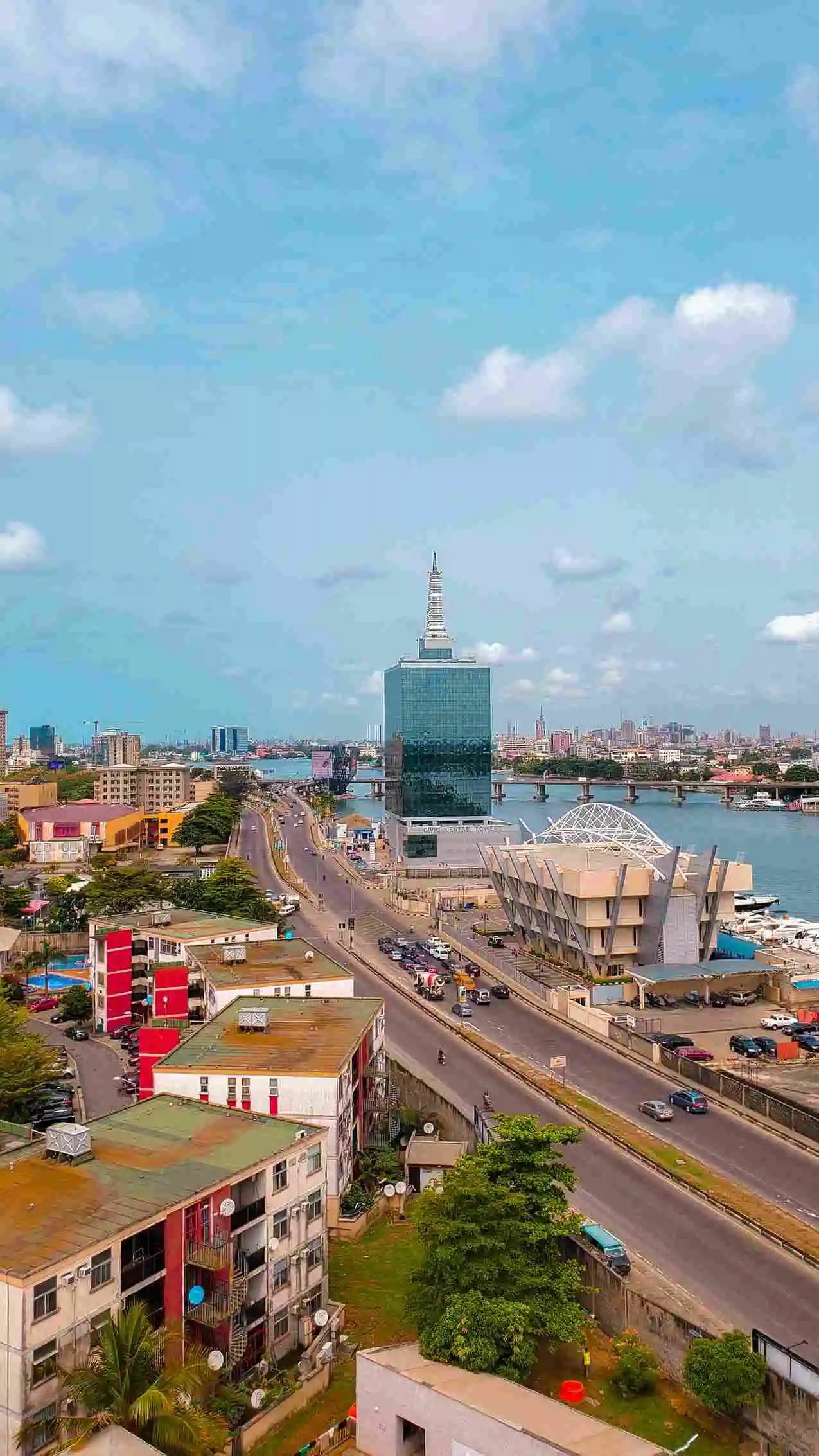
When it comes to upscale living in Lagos, Lekki and Victoria Island (VI) stand out as two of the most desirable addresses. Both offer proximity to the ocean, major business districts, and luxury experiences. Understanding the Cost of living Lekki vs VI Lagos 2026 has become an important question for professionals, entrepreneurs, families, and expatriates planning where to live.
But for many Lagos professionals, families, and expats, the big question remains:
👉 Which is more affordable — Lekki or VI?
In this 2025 cost of living comparison, we’ll break down the real differences in rent, utilities, groceries, transport, lifestyle, and overall affordability between Lekki and VI. Whether you’re moving for work or considering property investment, this guide will help you make an informed choice.
1. Cost of Living Lekki vs VI Lagos 2026: Housing and Rent Prices
Victoria Island (VI): Premium and Business-Centric
Victoria Island is one of Lagos’s oldest and most prestigious neighborhoods — home to major banks, corporate headquarters, embassies, and luxury hotels.
Average Rent (2025):
- 2-bedroom flat: ₦8–12 million/year
- 3-bedroom apartment: ₦12–18 million/year
- Serviced apartment (short let): ₦1–2 million/month
Most buildings in VI are fully serviced, meaning rent often includes maintenance, power backup, and security — but it also pushes the cost higher.
Ideal for:
- Executives working in Marina, Oniru, or Eko Atlantic.
- Expats seeking convenience and corporate proximity.
Lekki: Modern, Expanding, and More Flexible
Lekki, particularly Phase 1, has transformed into a thriving residential hub with trendy restaurants, coworking spaces, and shopping centers.
Average Rent (2025):
- 2-bedroom apartment: ₦4–7 million/year
- 3-bedroom duplex: ₦6–10 million/year
- Mini-flat: ₦2–3.5 million/year
Rent depends heavily on the estate’s location and amenities. Gated communities like Admiralty Way, Orchid Road, and Ikate offer newer apartments at relatively lower prices than VI.
Ideal for:
- Young professionals and families who want a balance between comfort and affordability.
- Entrepreneurs who work remotely or in Lekki’s growing business ecosystem.
2. Utilities and Services in the Cost of Living Lekki vs VI Lagos 2026
Utilities play a major role in Lagos living costs — from power supply to internet and estate maintenance.
| Utility | Lekki | Victoria Island (VI) |
|---|---|---|
| Electricity (monthly) | ₦60k–₦120k | ₦80k–₦150k |
| Internet/Wi-Fi | ₦20k–₦30k | ₦25k–₦40k |
| Security & Waste | ₦15k–₦30k | ₦30k–₦50k |
| Water & Cleaning | ₦10k–₦20k | ₦20k–₦30k |
| Average Monthly Total | ₦100k–₦200k | ₦150k–₦250k |
Insight:
VI offers better electricity stability and drainage, but residents pay more for maintenance and central services. Lekki’s newer estates enjoy modern layouts but may face higher generator and water costs due to ongoing development.
3. Transportation in the Cost of Living Lekki vs VI Lagos 2026
Transportation plays a huge role in Lagos living expenses because of traffic congestion and long commute times.
According to data from the National Bureau of Statistics, housing and transportation remain the largest components of urban living expenses in Nigeria.
Victoria Island: Shorter Commutes
Professionals working within Victoria Island often benefit from shorter travel times. Many offices are located within a few minutes’ drive.
However, traffic congestion around major roads such as:
- Akin Adesola Street
- Adeola Odeku
- Oniru axis
can still cause delays during peak hours.
Typical transportation costs include:
- Monthly fuel: ₦50k–₦100k
- Ride-hailing (Bolt/Uber): ₦3,000–₦5,000 per trip
- Parking fees: ₦1,000–₦2,000 daily in some commercial areas.
Lekki: Comfortable Living but Longer Commutes
While Lekki estates offer quieter environments and spacious housing, commuting to Victoria Island or Ikoyi can take significantly longer.
Rush-hour traffic along Lekki-Epe Expressway is one of the biggest challenges for residents working outside the peninsula.
Estimated costs include:
- Monthly fuel: ₦80k–₦150k
- Ride-hailing from Lekki to VI: ₦5,000–₦8,000 per trip
Verdict:
If your workplace is in Victoria Island or Ikoyi, living in VI could reduce commuting costs and travel time. Remote workers or business owners operating within Lekki may find the location far more convenient.
4. Security and Comfort
Both areas are secure, but their setups differ:
- VI: Corporate security presence, patrols, and embassy zones.
- Lekki: Private estate security systems with gated access.
Flooding remains a concern in both areas, though Lekki’s drainage is improving with ongoing government upgrades.
Overall Cost of Living Lekki vs VI Lagos 2026
| Expense Category | Lekki | Victoria Island (VI) |
|---|---|---|
| Rent | ₦4–10M/year | ₦8–18M/year |
| Utilities | ₦100k–₦200k/month | ₦150k–₦250k/month |
| Transportation | ₦80k–₦150k/month | ₦50k–₦100k/month |
| Groceries & Dining | ₦100k–₦180k/month | ₦150k–₦250k/month |
| Entertainment | ₦50k–₦100k/month | ₦100k–₦200k/month |
| Average Monthly Spend | ₦500k–₦900k | ₦800k–₦1.3M |
Key Takeaway:
- Lekki: Ideal for young professionals, entrepreneurs, and families who want comfort and space at a lower cost.
- Victoria Island: Perfect for executives, expats, and business owners who prioritize proximity, prestige, and convenience.
6. Investment Perspective
From a property investment view:
VI has limited new land, meaning property values remain high and stable — great for short-term rental or corporate lease investments.
Lekki continues to expand eastward, making it a growth zone for mid- to long-term ROI.
Conclusion: Which is Better for You?
If your goal is affordable luxury with room to grow, Lekki offers better flexibility, newer housing, and lifestyle balance.
If your focus is prestige, convenience, and business access, VI justifies its higher price tag.
At the end of the day, your choice depends on your budget, career stage, and daily routine. But both areas reflect the best of modern Lagos living.

Join The Discussion